


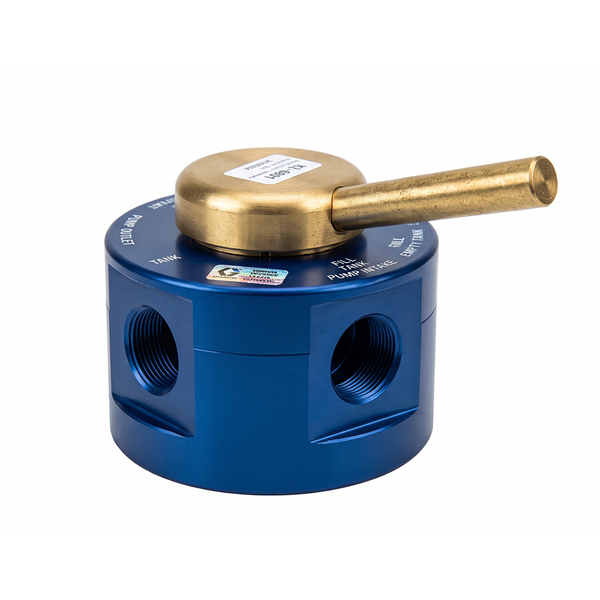
Understand common Valve Types for Fluid Handling
Selecting the right valve is critical for system efficiency and longevity. Here is a breakdown of the most common types of valves used in fluid handling reticulation systems:
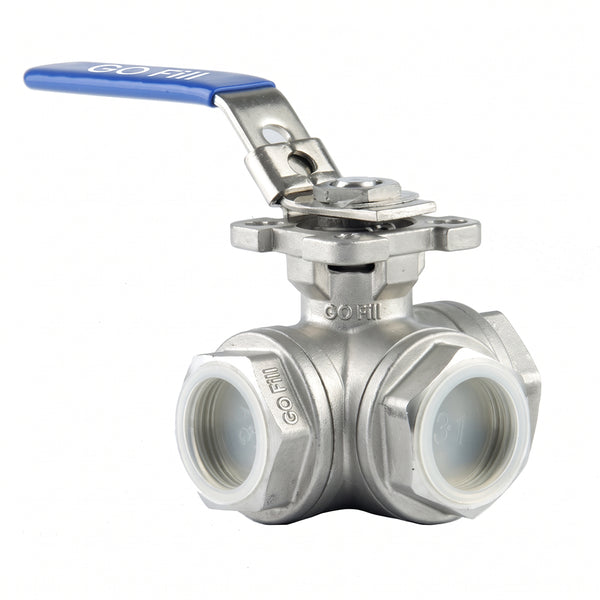
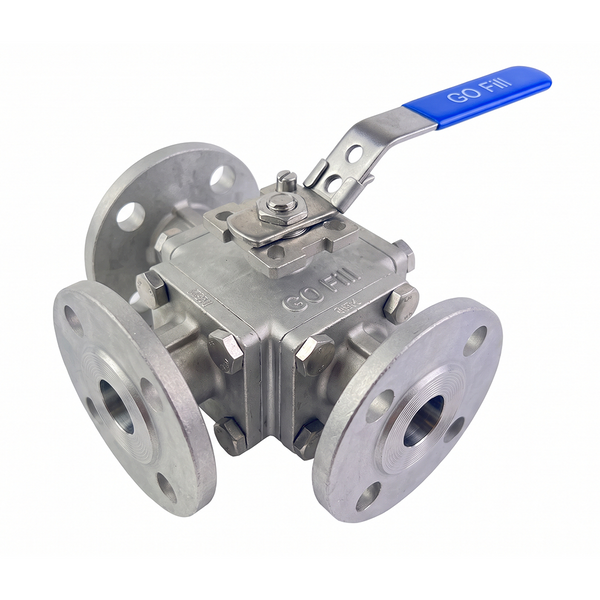
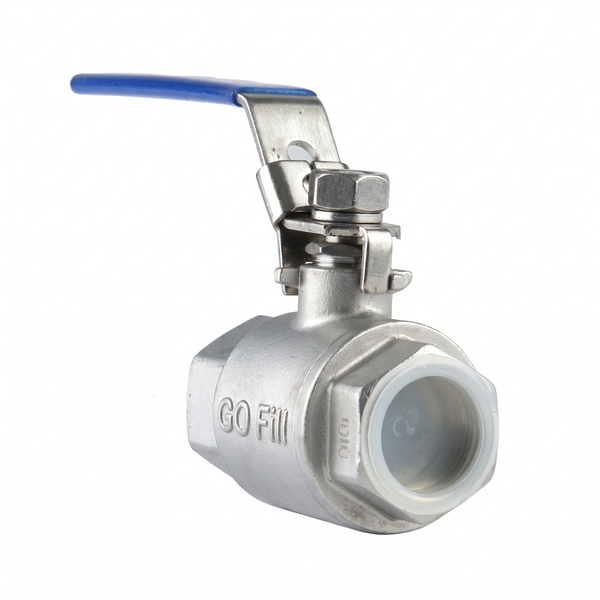
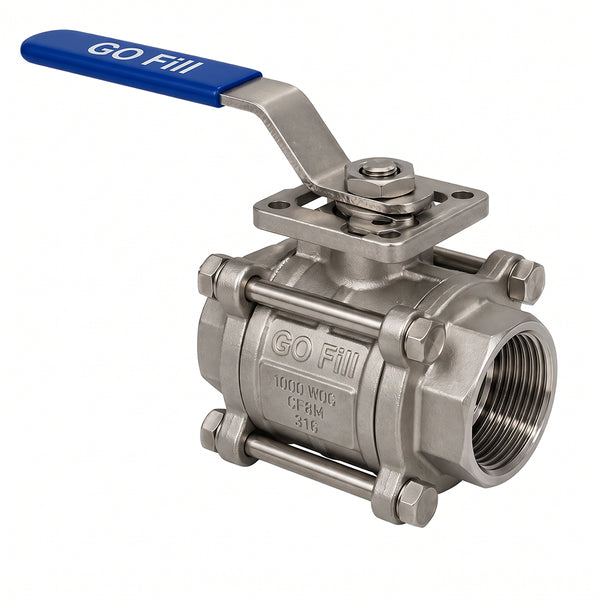
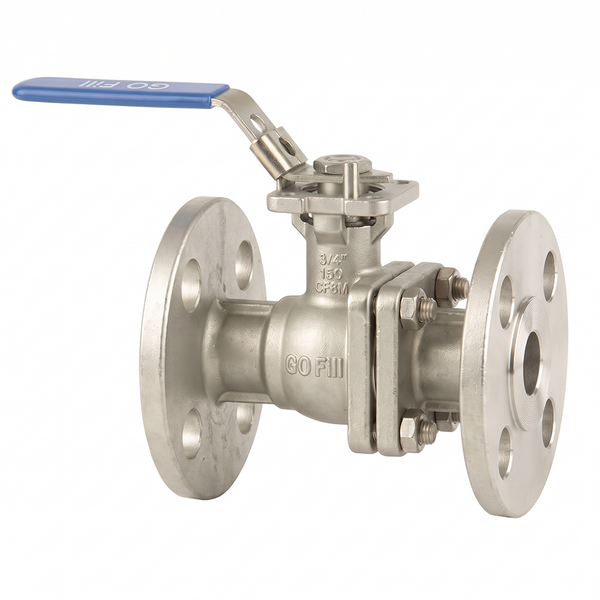
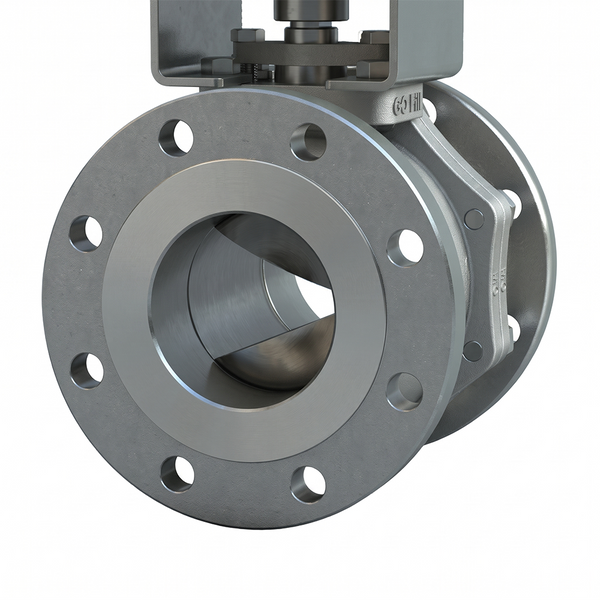
- Ball Valves: These feature a rotating spherical ball with a central bore. Providing fast, quarter-turn operation, they offer excellent and reliable shutoff (isolation) with minimal pressure drop. They are the industry standard for quickly starting or stopping flow.
- Butterfly Valves: Utilizing a rotating disc mounted on a central shaft, these quarter-turn valves are compact, lightweight, and cost-effective. They are highly favored for large-diameter pipelines and can be used for both total flow isolation and basic flow modulation.
- Check Valves (Non-Return Valves): Unlike most manual valves, check valves operate automatically. They rely on the fluid's own forward pressure to open and mechanically close if the flow reverses. They are essential for preventing backflow and protecting sensitive pumps from reverse-flow damage.
- Gate Valves: These operate using a vertically sliding gate that lifts completely out of the pipeline to open. Because they provide a full-bore, unobstructed flow path, they are excellent for on/off isolation but should never be used for throttling or regulating flow, as partial opening causes excessive wear and vibration.
- Globe Valves: Designed with a movable plug that lowers onto a stationary seat, globe valves force the fluid to change direction as it passes through. This internal geometry makes them exceptional for precisely regulating and throttling flow, rather than just simple on/off isolation.
- Solenoid Valves: These are electromechanically actuated valves used for automated fluid control. Available in "normally open" or "normally closed" configurations, they use an electric coil to rapidly open or close the valve, making them perfect for digital process loops, timers, and automated dispensing.
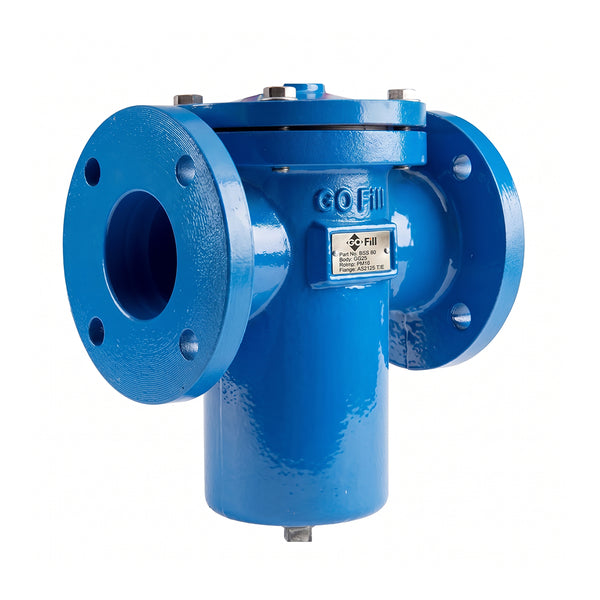
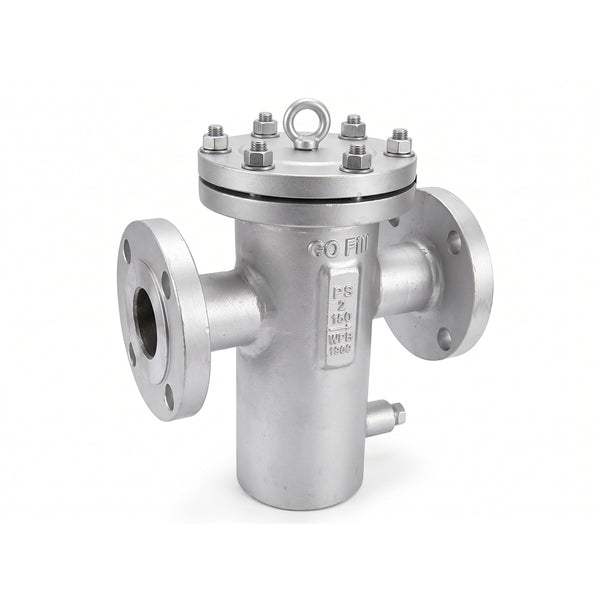
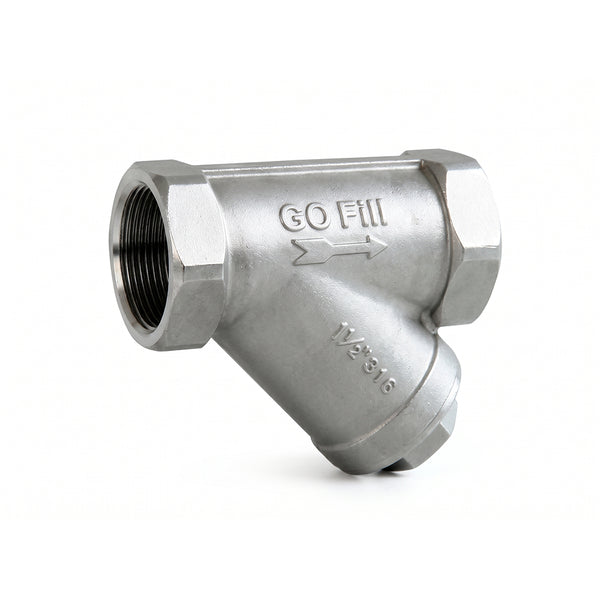
- Strainers (In-Line Protection)
While technically mechanical filtration devices rather than traditional flow-control valves, strainers are a mandatory component in almost all industrial valve systems. They actively remove solid contaminants—such as pipe scale, rust, swarf, and debris—from the fluid stream to prevent blockages and catastrophic damage to downstream pumps, control valves, and meters.